3 Reasons Your AI-Generated Video Might Not Be Copyrighted
A 2026 Supreme Court decision confirmed pure AI output can't be copyrighted in the US. Here's what that actually means for creators building content around it.
A creator drops a fully AI-generated 15-second clip into a paid campaign, someone rips the exact clip and reposts it with the branding cropped out, and the creator files a copyright takedown — only to be told, in effect, that they may not actually own what they're trying to protect. In March 2026, the US Supreme Court declined to hear an appeal that would have challenged this, leaving in place a rule that purely AI-generated output cannot be copyrighted in the United States at all.
The "I Typed the Prompt, So I Own It" Assumption
The most common misunderstanding is that describing an image or video in enough detail — a long, specific prompt — counts as authorship. It doesn't. The US Copyright Office and the DC Circuit Court of Appeals, in the case Thaler v. Perlmutter, have held that copyright protection in the United States requires a human author, and a prompt alone doesn't make the person who wrote it the author of what the model outputs. The Supreme Court's March 2026 decision not to review that ruling left it as the controlling law nationwide. A creative brief handed to a machine is treated more like an idea than an authored expression, and copyright has never protected ideas by themselves — only how a human fixes them into an original expression.
What's Actually at Risk Without It
Losing copyright on the AI-generated portion of a project isn't just a technicality. Without an underlying copyright, a creator has a much weaker basis for sending a takedown notice when someone else copies the exact same output, since the legal claim that makes those notices work is ownership of an exclusive right. It also complicates licensing — a brand or publisher buying a video package generally wants a documented chain of ownership, and "I generated this with a prompt" doesn't establish one. Platform monetization and ad-revenue disputes over reused AI clips have increasingly turned on this exact gap — whoever can show meaningful human authorship over the final work tends to have the stronger claim, and whoever can't often has none at all.
The Two Things That Actually Determine Ownership
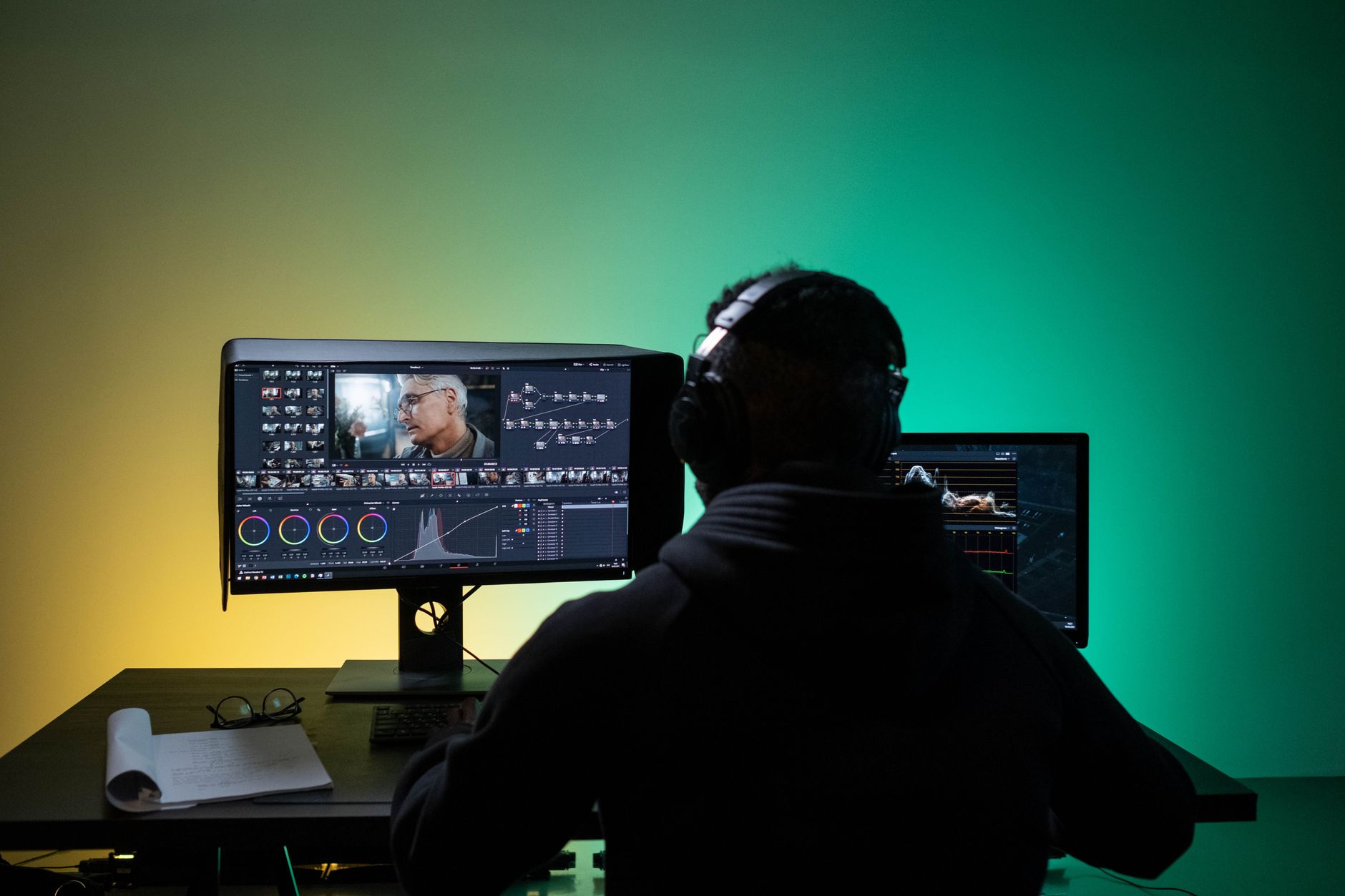
- Meaningful human creative control over the expressive elements, not just the initial prompt — writing the script an AI clip gets built into, directing specific edits, compositing multiple AI outputs into a sequence you designed, adding your own voiceover or sound design. The US Copyright Office has confirmed that AI-assisted work can qualify for protection when a human's creative choices shape the final expression, even if a raw AI-generated clip inside it doesn't qualify on its own.
- Documentation of that human involvement — draft scripts, edit history, layered project files, notes on creative decisions made along the way. If a dispute or licensing conversation ever comes up, "I made creative choices" is a far weaker claim than being able to show the choices.
So before publishing the next project built around AI-generated footage or images, the one habit worth building is documenting the human layer as it's made — save the script drafts, keep the edit history, note the creative decisions — because that record is what turns "I used an AI tool" into a claim on the finished work that actually holds up.
Related articles
 3 min read1 views
Could a 3-Second Clip Be Enough to Clone Your Voice?
The FBI warns a few seconds of audio from social media can power a convincing fake emergency call. Here's what that scam costs, and the one step that stops it.
 3 min read1 views
ATS-Friendly vs. Actually Qualified: What Gets Filtered Out First
Most large employers now screen resumes with software before a human sees them. Here's what that filter looks for, and why qualified candidates still get cut.
 4 min read1 views