The Real Reason the IRS Just Started Watching Crypto
Crypto gains have been taxable in the US since 2014, but the IRS rarely had a paper trail. Form 1099-DA changes that starting 2025. Here's what shifts.
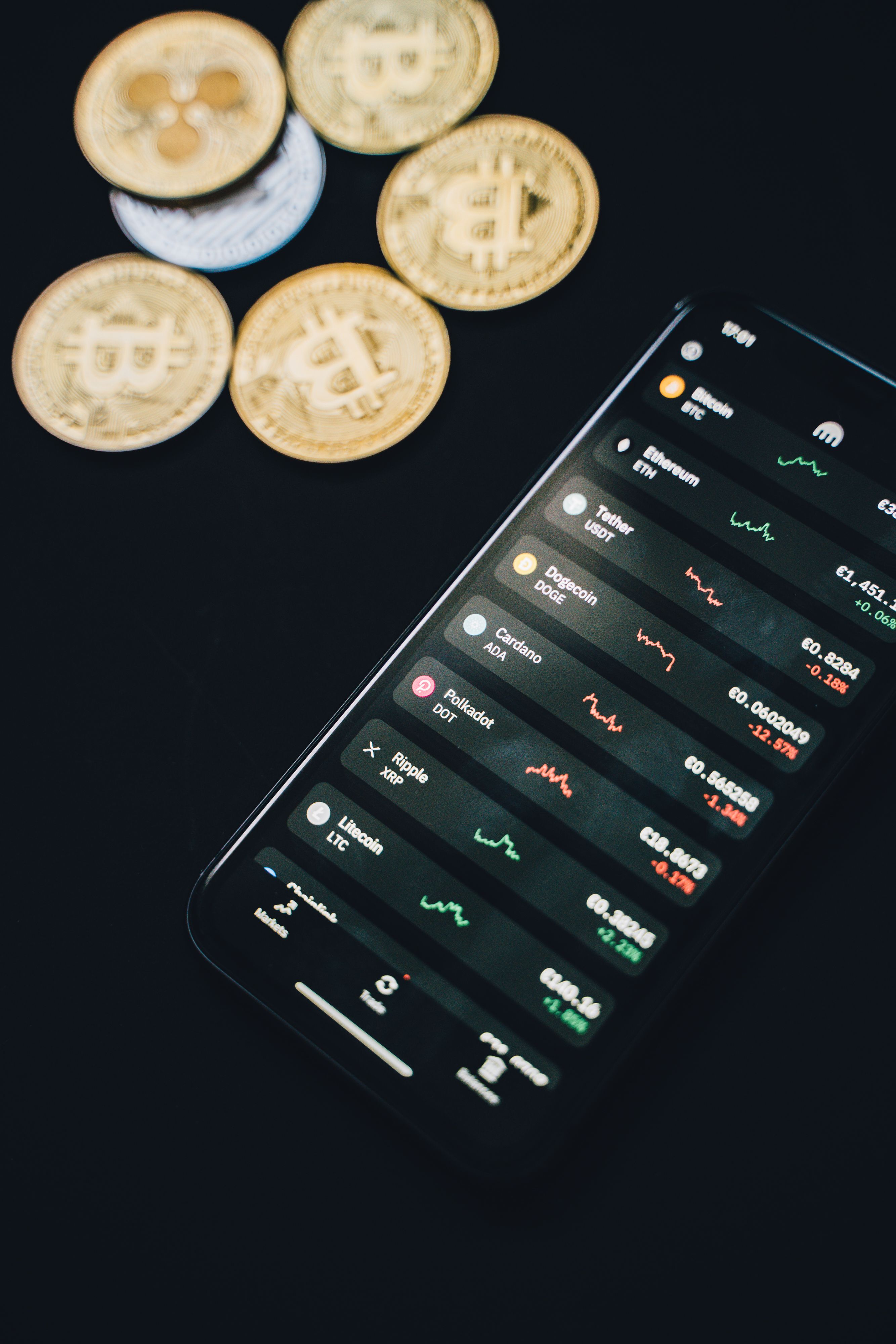
If you've been trading crypto for years and never received a tax form for it, it's easy to assume that meant you didn't owe anything. That assumption has never been accurate. The IRS has treated cryptocurrency as property since Notice 2014-21, which means selling, swapping, or spending it can trigger a taxable gain or loss the same way selling stock does — form or no form.
What's actually changing isn't the tax itself. It's how much visibility the IRS now has into transactions that, until recently, mostly relied on you reporting them yourself.
3 Numbers Behind Why "No Form" Never Meant "No Tax"
Until the 2025 tax year, most crypto exchanges had no standardized federal requirement to report your trades to the IRS the way a stock brokerage reports trades on Form 1099-B. That gap meant three things stacked up against people who assumed silence meant safety: the reporting requirement to file existed regardless, the three-year (or six-year, for substantial understatements) audit window applies whether or not you got paperwork, and failing to report isn't treated as an oversight once the IRS can independently see the transaction.
Self-Reporting vs. Broker Reporting: What Form 1099-DA Changes
Starting with the 2025 tax year, brokers and exchanges are required to issue Form 1099-DA, reporting gross proceeds from digital asset sales to both you and the IRS — those forms started reaching taxpayers by mid-February 2026. Cost basis reporting is being phased in separately: brokers begin reporting your cost basis starting with 2026 transactions, meaning the first 1099-DA that includes basis won't arrive until early 2027.
That phase-in gap matters practically. For the 2025 tax year, you're likely still responsible for calculating your own cost basis even if you receive a 1099-DA — the form may only show proceeds. Reconstructing purchase dates and prices from years-old wallet activity is far more tedious after the fact than keeping a running log as you trade. This isn't a reason to favor one exchange or wallet provider over another — it applies to the category as a whole.
One mechanic worth knowing with confidence: assets held over one year qualify for long-term capital gains rates, which are lower than short-term rates taxed as ordinary income — that's a fixed rule, not a projection of what you'll owe.
Frequently Asked Questions
Do I owe tax on crypto I haven't sold?
Simply holding an asset isn't a taxable event. Selling, trading one crypto for another, or using it to pay for something generally is.
What if my 1099-DA doesn't match my own records?
Report based on your actual transaction history, and keep documentation showing why the numbers differ — brokers can make reporting errors, particularly during this basis-reporting transition.
The shift here isn't that crypto became taxable — it already was, under IRS rules that have applied for over a decade. What changed is that the IRS now gets a copy of the same information your exchange has always had, closing a visibility gap that used to exist between crypto and traditional brokerage accounts. This is general information about US federal tax rules from the IRS, not tax advice for your specific situation — a tax professional can confirm how it applies to your filings.
Related articles
 5 min read3 views
A Big Tax Refund Isn't "Free Money" — Here's What It Costs You
A large tax refund often feels like a win, but IRS data shows it usually means you overpaid through paycheck withholding all year long.
 5 min read3 views
The Real Reason a Raise Won't Shrink Your Take-Home Pay
Many people believe a higher tax bracket means paying that rate on all their income. Here's how US marginal tax brackets actually work for 2026.
 5 min read2 views